Hydration
Does Drinking Water Really Boost Your Metabolism?
July 27, 2026
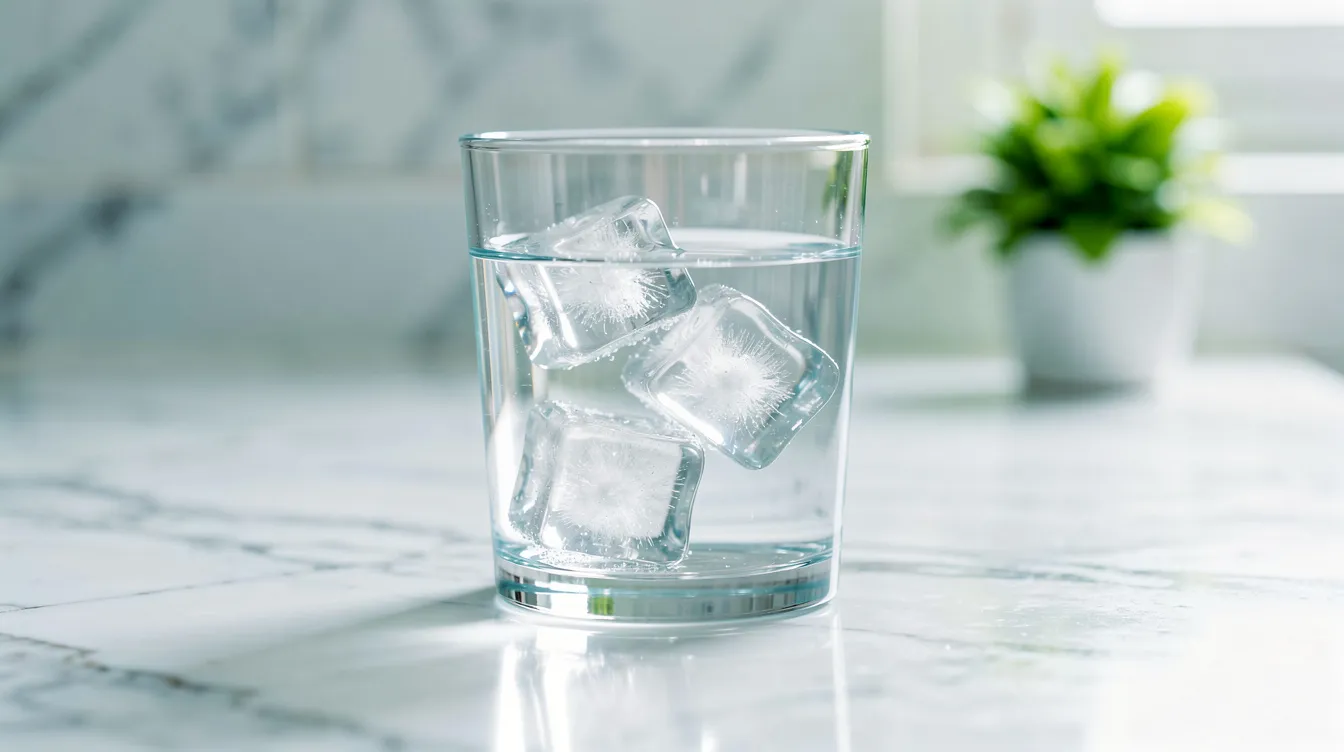
If you've spent any time reading about weight loss or healthy habits, you've probably come across the claim that drinking water can boost your metabolism. It sounds almost too convenient — drink more water, burn more calories. But is there real substance to this idea, or is it mostly wishful thinking?
The honest answer sits somewhere in the middle. Water does have a measurable relationship with how your body uses energy, but the effect is more nuanced than most headlines suggest. Let's unpack what's actually going on.
What Is Metabolism, Really?
Before diving into water's role, it helps to clarify what metabolism actually means. In everyday conversation, people use "metabolism" to refer to how quickly the body burns calories. More precisely, it describes all the chemical processes your body runs continuously — digesting food, repairing cells, breathing, and keeping your heart beating.
Your basal metabolic rate (BMR) is the number of calories your body burns at complete rest just to keep you alive. Total daily calorie burn includes BMR plus everything you do on top of that — moving, thinking, digesting food, and yes, even warming up cold water.
The Thermogenic Effect of Drinking Water
Here's where water genuinely earns some credit. When you drink cold water, your body expends a small amount of energy warming that water up to body temperature — a process called thermogenesis. This is a real, measurable phenomenon.
However, the key word is small. Warming a large glass of cold water requires only a modest number of calories. If you're hoping this effect alone will meaningfully change your body composition, you'd likely need to drink enormous amounts, far beyond what's healthy or practical. Think of this thermogenic effect as a minor bonus rather than a meaningful weight-loss strategy on its own.
Dehydration Slows Things Down
This is where water's impact on metabolism becomes more practically relevant. When you're even mildly dehydrated, your body's efficiency can dip. Cellular processes that require water — and many of them do — may not run as smoothly.
In a dehydrated state, your body may be less efficient at breaking down fat for energy, and you might feel fatigued, making you less likely to move around and burn extra calories throughout the day. So while drinking water doesn't dramatically rev your metabolism like a sports car shifting gears, staying properly hydrated helps your metabolism function at its normal, healthy rate.
Think of it less like pressing the accelerator and more like making sure the engine has enough oil.
If you're unsure whether you're getting enough fluids, check out our guide on how to tell if you're hydrated for practical, everyday indicators.
Water Before Meals: A Different Angle
Another reason water often gets linked to weight management is its role in appetite. Drinking water before or during a meal can help you feel fuller, which may naturally lead to eating a bit less. This isn't a metabolism effect — it's more about satiety and portion size — but it's a legitimate way that hydration supports overall health and weight goals.
This effect is most pronounced in adults, and it's more reliable than counting on thermogenesis to do the heavy lifting.
What the Research Landscape Looks Like
There have been studies exploring water's effect on energy expenditure, and some show modest short-term increases in calorie burning after drinking water. However, research in this area has limitations — small sample sizes, varying methodologies, and real-world factors that are hard to control.
The general consensus among nutrition and health professionals is:
- Water does not dramatically speed up metabolism in healthy, well-hydrated people
- Correcting dehydration can restore metabolic efficiency if it had dipped
- Cold water produces a slight thermogenic effect, but the caloric impact is small
- Consistent hydration supports overall bodily functions, including how your body processes nutrients
In short, water is genuinely important for metabolic health — just not a magic accelerant.
Practical Tips to Stay Hydrated and Support Your Metabolism
Rather than chasing an exaggerated metabolism boost, focus on these evidence-supported habits:
- Drink water consistently throughout the day rather than large amounts all at once
- Start your morning with a glass of water — after hours of sleep, your body appreciates the rehydration
- Drink a glass of water before meals to support portion awareness
- Keep a water bottle visible at your desk or in your bag as a simple reminder
- Include water-rich foods like cucumbers, watermelon, and leafy greens in your diet
- Pay attention to thirst cues — they're your body's built-in reminder system
If you find it hard to remember to drink regularly, Daily Water Reminder can send you gentle nudges throughout the day and help you track your intake, so staying hydrated becomes effortless rather than an afterthought.
The Bottom Line
Drinking water isn't a metabolic shortcut, but it is a genuine cornerstone of how your body functions. It supports digestion, nutrient transport, temperature regulation, and yes — helps your metabolism run efficiently rather than sluggishly.
The most balanced take? Staying well-hydrated is one of the simplest, most evidence-backed things you can do for your overall health. The metabolism benefits are real but modest. The broader benefits — energy, focus, kidney health, skin, and more — make consistent hydration well worth prioritizing regardless.
So keep drinking your water. Not because it'll transform your calorie burn overnight, but because your body genuinely needs it to do everything else well.
This article is for general information only and is not medical advice. Always consult a healthcare professional for guidance specific to you. See our Terms.