Hydration
Staying Hydrated During Pregnancy: What You Need to Know
July 20, 2026
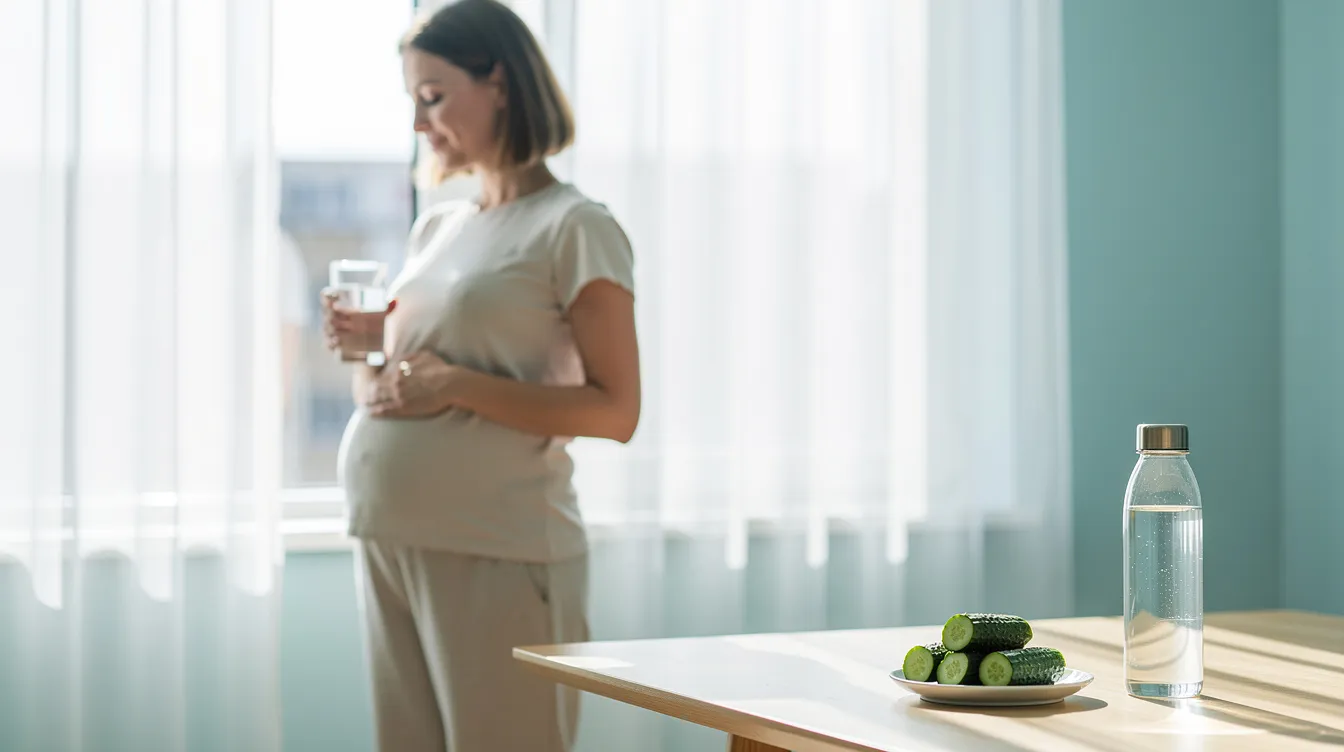
Pregnancy is one of the most physically demanding things the human body can do. Your blood volume expands, a whole new organ (the placenta) grows, and your kidneys work overtime. All of that requires one thing above almost everything else: water.
If you've been wondering whether your usual hydration habits are still enough now that you're expecting, the short answer is probably not — and that's completely normal. Here's a clear, practical look at why hydration needs shift during pregnancy and how to meet them comfortably.
Why Hydration Matters More During Pregnancy
Water does a remarkable amount of work when you're pregnant. It isn't just about quenching thirst.
- Building amniotic fluid. The fluid that cushions and protects your baby is almost entirely water, and it needs to be continuously replenished.
- Supporting increased blood volume. Blood volume rises significantly during pregnancy. More blood means your body needs more fluid to keep circulation running smoothly.
- Carrying nutrients. Water is the transport system that moves vitamins, minerals, and oxygen through your bloodstream to the placenta and your baby.
- Temperature regulation. Your metabolism runs higher during pregnancy, and sweat is your body's main way to cool down — which draws on your fluid reserves.
- Easing common discomforts. Staying well hydrated can help reduce constipation, support healthy digestion, and may help ease the frequency of headaches and Braxton Hicks contractions.
How Much Water Do You Actually Need?
General guidance from major health organizations suggests pregnant people aim for roughly 8 to 10 cups (about 2 to 2.4 liters) of fluid per day from all sources, though individual needs vary. Some recommendations go slightly higher, especially in the third trimester or in hot climates.
A few things can push your needs upward:
- Exercise or physical activity — even light walking increases fluid loss through sweat.
- Hot or humid weather — summer pregnancies (hello, July) mean you're losing more fluid than you might realize.
- Morning sickness — vomiting depletes fluids and electrolytes, so you'll need to replenish more actively.
- Carrying multiples — twins or more means even greater demands on your body.
For a broader look at how individual hydration needs are calculated, our post on how much water you should drink a day is a helpful starting point — just keep in mind pregnancy adds an extra layer on top of the standard guidance.
Recognizing Dehydration When Pregnant
Your thirst signal is a useful cue, but during pregnancy it can sometimes lag behind your actual needs. Checking your urine color is one of the simplest reliable indicators: pale straw yellow generally means you're well hydrated, while dark yellow or amber suggests you need more fluids.
Other signs that you may need more water:
- Dry mouth or lips
- Fatigue beyond your usual pregnancy tiredness
- Dizziness when standing up
- Infrequent urination (despite the common experience of needing to go more often)
- Headaches
If you experience intense thirst, very dark urine, or feel faint, reach out to your healthcare provider rather than trying to self-manage.
Practical Tips for Hitting Your Daily Goal
Knowing you should drink more water and actually doing it are two different challenges — especially when nausea, food aversions, or a very full bladder are part of the picture.
Start the day with water
Keep a glass of water on your nightstand and sip it before you even get out of bed. It's an easy way to make progress before the day's demands take over.
Sip steadily rather than gulping
Large amounts of water at once can worsen nausea. Smaller, more frequent sips throughout the day tend to be easier on your stomach and are just as effective for hydration.
Make it appealing
If plain water isn't sitting well, try:
- Adding a few slices of cucumber, lemon, or mint
- Chilled herbal teas (check with your provider on specific herbs)
- Water-rich foods like watermelon, cucumber, strawberries, and broth-based soups
Tie drinking to existing habits
Drink a glass of water each time you take a prenatal vitamin, after every bathroom trip, or before each meal. Attaching hydration to things you're already doing makes it easier to build the habit.
Use a reminder app
Pregnancy brain is real, and life is busy. Daily Water Reminder lets you set gentle, customizable reminders throughout the day so you never have to rely on remembering to drink — the app does the nudging for you.
A Note on Other Fluids
Not all fluids are equal during pregnancy. Water remains the best option, but milk and 100% fruit juice (in moderation) contribute to your daily total. Caffeinated drinks are generally recommended in limited amounts — most guidelines suggest keeping caffeine under 200 mg per day — and sugary drinks add calories without much nutritional benefit.
Alcohol is the one clear category to avoid entirely during pregnancy, as no safe level has been established.
The Bottom Line
Hydration during pregnancy isn't complicated, but it does require a little more intentionality than you might be used to. Your body is doing extraordinary work, and water is one of the simplest, most powerful ways to support it. Aim for steady sipping throughout the day, check in with urine color as a quick gauge, and don't hesitate to increase your intake when it's hot, you're active, or morning sickness has taken a toll.
Small, consistent habits add up — and both you and your baby will benefit from every glass.
This article is for general information only and is not medical advice. Always consult a healthcare professional for guidance specific to you. See our Terms.