Hydration
How Much Water Should You Drink a Day?
June 21, 2026
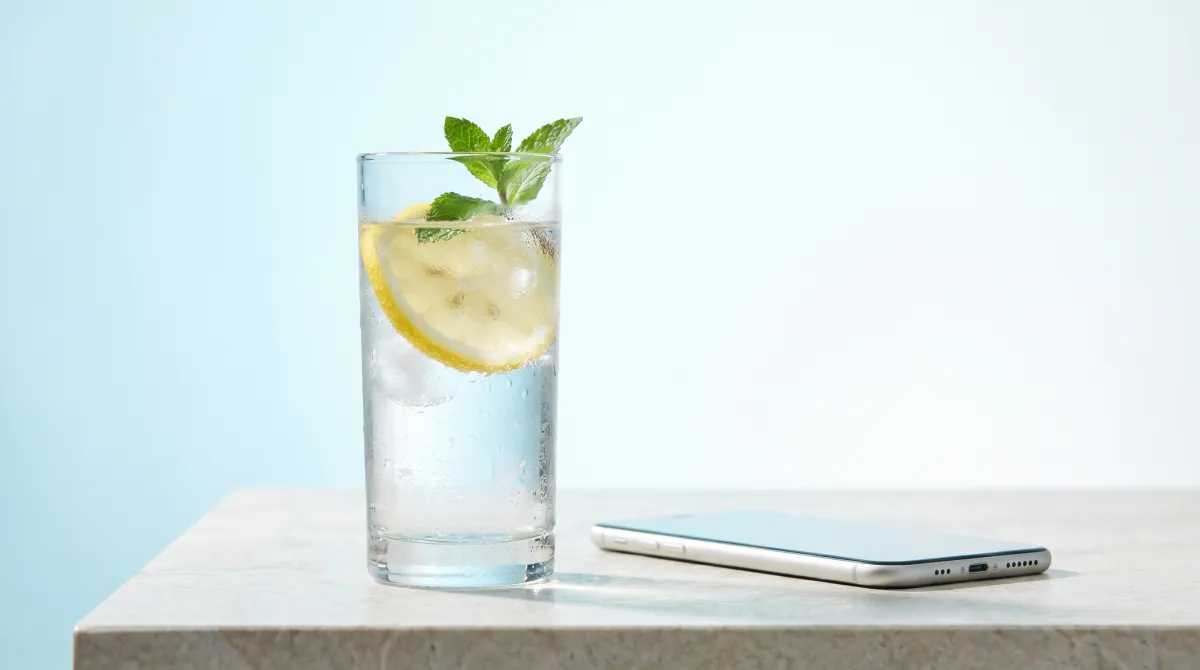
"Drink eight glasses of water a day" is the advice almost everyone has heard. It's easy to remember and a perfectly fine starting point — but it isn't a strict scientific rule, and it isn't right for everyone. The truth is that your ideal water intake depends on your body size, how active you are, the climate you live in, and your overall health.
Here's what the research actually says, and how to turn it into a daily goal you can stick to.
The general guidelines
The most widely cited reference comes from the U.S. National Academies of Sciences, Engineering, and Medicine. It suggests an adequate total water intake of about 2.7 liters (11.5 cups) per day for women and about 3.7 liters (15.5 cups) per day for men.
Two important details often get lost:
- That total includes all fluids and food. Roughly 20% of the water most people get comes from food — fruits, vegetables, soups, and so on. So the amount you need to drink is lower than the headline number.
- It's an average, not a target. These figures describe what's typical for healthy adults in temperate climates. Your needs can be meaningfully higher or lower.
The popular "8×8" rule — eight 8-ounce glasses, about 2 liters — lands comfortably inside these ranges, which is why it remains a useful rule of thumb even though it was never based on a single definitive study.
What changes your needs
Several everyday factors push your requirements up or down:
- Body size. Larger bodies generally need more water. This is why many hydration calculators start from your weight.
- Activity. Exercise and physical work increase fluid loss through sweat. The more you sweat, the more you need to replace — before, during, and after.
- Climate. Hot or humid weather, and high altitude, both increase water loss.
- Life stage and health. Pregnancy and breastfeeding raise fluid needs. Fever, vomiting, or diarrhea increase them too.
- Diet. A lot of salt, caffeine, or alcohol can affect your balance.
Because of all this, a single number on a poster will never fit everyone. The better approach is a personalized goal based on your own body and routine.
A simple way to set your goal
You don't need a spreadsheet. A practical starting estimate many people use is roughly 30–35 ml of water per kilogram of body weight per day (about 0.5 oz per pound), adjusted up on hot days or workout days. For a 70 kg (154 lb) person, that's around 2.1–2.5 liters.
Treat that as a starting line, then let your body fine-tune it. The two easiest feedback signals are:
- Thirst. It's not perfect, but for most healthy people, drinking when thirsty covers a lot of ground.
- Urine color. Pale straw or light yellow usually means you're well hydrated. Dark yellow is a nudge to drink more. (For more on this, see our guide to the signs of dehydration.)
Can you drink too much?
Yes, although it's uncommon. Drinking extreme amounts of water in a short time can dilute the sodium in your blood — a condition called hyponatremia — which is dangerous. This mainly affects endurance athletes who overdrink during long events. For everyday life, spreading your intake across the day rather than gulping large volumes at once is the sensible approach.
Why the right tools help
Knowing your number is one thing; actually hitting it is another. Most people simply forget — they get busy, and hours slip by between drinks. That's where a habit system makes the difference:
- A personalized daily goal so you're aiming at the right target, not a generic one.
- Gentle reminders through the day so you never go too long without a drink.
- A simple log so you can see your progress and build a streak.
This is exactly what Daily Water Reminder is built for. During setup it calculates a goal from your weight and units, then nudges you at a pace that fits your schedule and quiet hours — turning "I should drink more water" into something that actually happens.
The bottom line
Aim for roughly 2–3 liters of water a day as a starting point, adjust for your size, activity, and climate, and use thirst and urine color to calibrate. Then make it easy on yourself with reminders and tracking so the habit sticks. Curious what proper hydration actually does for you? Read on about the benefits of drinking enough water.
This article is for general information only and is not medical advice. Always consult a healthcare professional for guidance specific to you. See our Terms.