Hydration
7 Benefits of Drinking Enough Water
June 20, 2026
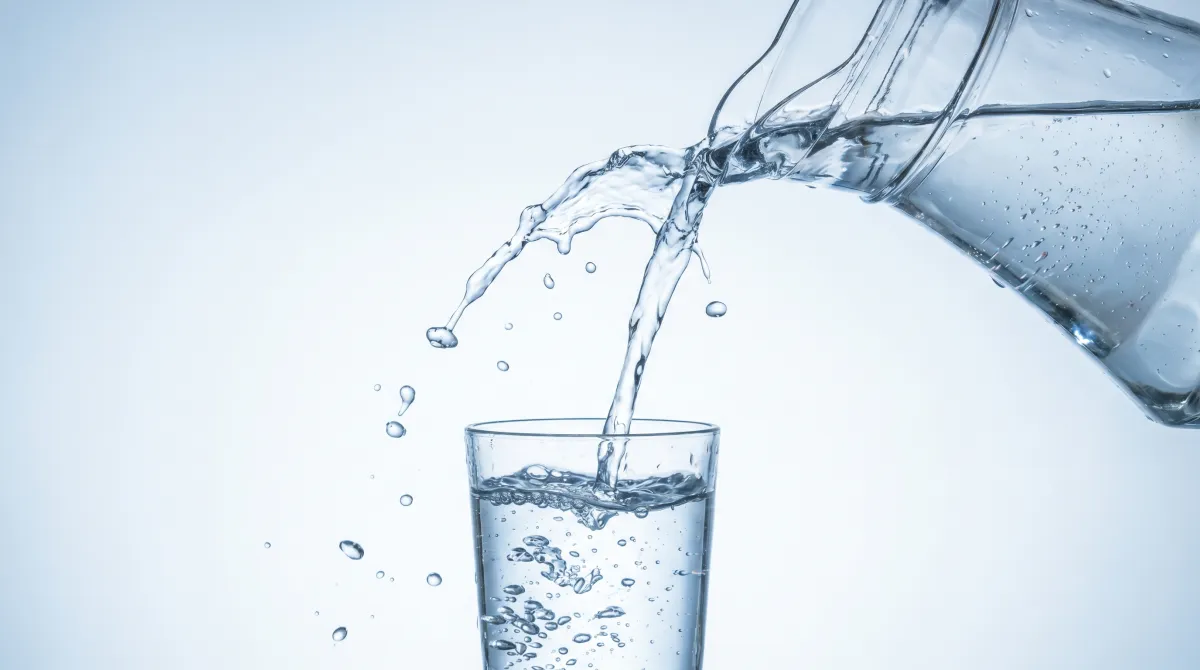
Water makes up roughly 60% of your body and is involved in nearly everything it does — regulating temperature, cushioning joints, moving nutrients, and clearing waste. It's no surprise, then, that staying well hydrated has a noticeable effect on how you feel and perform. Here are seven of the most meaningful, evidence-based benefits.
1. Sharper focus and mood
Your brain is especially sensitive to hydration. Studies have found that even mild dehydration — around 1–2% of body weight in fluid loss — can impair concentration, alertness, and short-term memory, and can worsen mood and perceived effort. If you hit an afternoon slump, a glass of water is worth trying before another coffee.
2. Steadier energy
Dehydration is a common, under-recognized cause of fatigue. When you're low on fluid, blood volume drops slightly and your heart has to work a little harder, which can leave you feeling tired and sluggish. Keeping topped up helps you avoid that needless dip.
3. Better physical performance
If you move your body, hydration matters. Losing fluid during exercise raises your heart rate and core temperature and makes a given effort feel harder. Staying hydrated before, during, and after activity helps you maintain strength, endurance, and coordination — which is one reason athletes pay such close attention to it.
4. Help with headaches
For some people, dehydration is a direct headache trigger, and drinking water can relieve it. While water isn't a cure-all, if you're prone to headaches it's worth checking whether you're simply under-hydrated — an easy and free thing to rule out.
5. Healthy digestion and regularity
Water keeps things moving through your digestive system. Adequate fluid, especially alongside dietary fiber, helps prevent constipation by keeping stool soft. If your digestion feels sluggish, your intake is one of the first things to look at.
6. Kidney function and fewer stones
Your kidneys rely on water to filter waste from your blood and remove it through urine. Drinking enough dilutes the minerals and salts in urine that can otherwise form kidney stones. People prone to stones are often specifically advised to increase their fluid intake.
7. Skin that looks its best
The link between water and glowing skin is often overstated, but there's a sensible core to it: skin is an organ that contains water, and severe dehydration can leave it looking dry and less plump. Staying consistently hydrated supports your skin along with the rest of your body — just don't expect water alone to replace sunscreen and sleep.
How much do you actually need?
These benefits show up when you're consistently hydrated — not when you chug a liter once and forget for the rest of the day. The amount that's right for you depends on your size, activity, and climate. We cover this in detail in how much water should you drink a day, but a common starting point is about 2–3 liters of water daily.
Making it a habit
The hardest part of hydration isn't knowing it's good for you — it's remembering to do it. A few simple tactics help:
- Keep a bottle visible on your desk.
- Drink a glass with every meal.
- Use reminders so you never go hours without a sip.
Daily Water Reminder ties these together: it sets a personalized goal, reminds you through the day, and tracks your streak so the habit reinforces itself. If you often realize you've barely had any water by mid-afternoon, learn to recognize the early signs of dehydration — and let a reminder do the remembering for you.
This article is for general information only and is not medical advice. Always consult a healthcare professional for guidance specific to you. See our Terms.