Hydration
Signs of Dehydration (and How to Avoid Them)
June 19, 2026
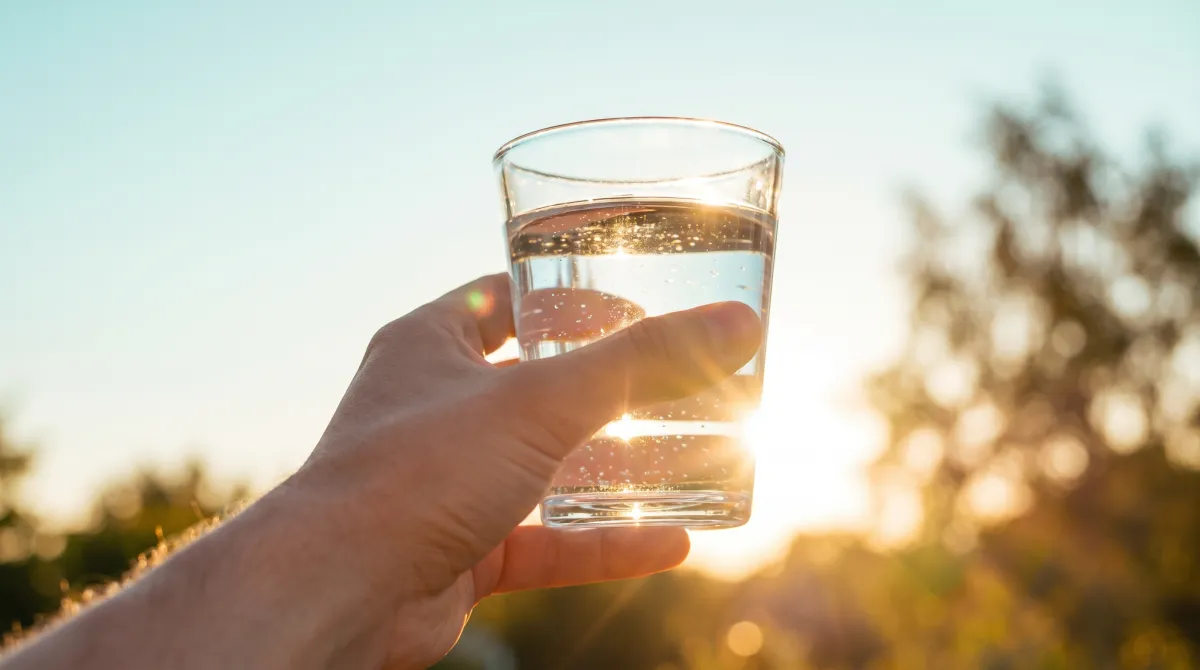
Dehydration happens when your body loses more fluid than it takes in, leaving it without enough water to work properly. It rarely announces itself dramatically. More often it creeps in as a little fatigue, a dull headache, or urine that's a shade too dark. Catching those early signals is the key to staying ahead of it.
Early signs of mild dehydration
For most people, the first hints are subtle:
- Thirst. The most obvious cue — though by the time you feel strongly thirsty, you're often already a little behind.
- Dark yellow urine. One of the most reliable everyday indicators. Pale straw or light yellow generally means you're well hydrated; darker shades suggest you need to drink more.
- Less frequent urination. Going many hours without needing the bathroom can be a sign you're running low.
- Dry mouth or lips.
- Tiredness or low energy. Dehydration is a common, overlooked cause of that mid-afternoon slump.
- Headache or trouble concentrating.
The urine-color check is so practical it's worth making a habit. It gives you direct feedback without any guesswork.
Signs of more serious dehydration
When fluid loss is greater, symptoms become harder to ignore and need prompt attention:
- Dizziness or lightheadedness, especially when standing up
- Rapid heartbeat or rapid breathing
- Confusion or irritability
- Very dark urine, or not urinating for 8+ hours
- Sunken eyes, or skin that's slow to spring back when pinched
Severe dehydration is a medical emergency. In babies, older adults, or anyone with persistent vomiting or diarrhea, seek medical help rather than waiting it out. This article is general information, not medical advice — when in doubt, talk to a healthcare professional.
Who's most at risk
Some people and situations make dehydration more likely:
- Hot or humid weather, and exercise, both increase fluid loss through sweat.
- Illness with fever, vomiting, or diarrhea.
- Older adults, whose sense of thirst can be blunted.
- Babies and young children.
- Busy days where you simply forget to drink — by far the most common cause for healthy adults.
How to avoid dehydration
Preventing dehydration is mostly about consistency, not heroic effort:
- Drink steadily through the day rather than large amounts all at once. Spreading it out keeps you topped up and is gentler on your body.
- Anchor drinking to habits you already have — a glass when you wake up, one with each meal, one after every bathroom break.
- Drink more around exercise and in the heat to replace what you sweat out.
- Eat water-rich foods like fruit and vegetables, which contribute a meaningful share of your daily fluid.
- Watch your urine color as a quick daily gauge.
Not sure how much you should be aiming for? See how much water should you drink a day for a simple way to set a personal goal.
Let reminders do the remembering
For most healthy people, the real problem isn't willpower — it's memory. You don't decide to get dehydrated; you just get busy. That's why a gentle nudge is so effective.
Daily Water Reminder gives you a personalized goal, reminds you at a pace that fits your day (with quiet hours so it never disturbs your sleep), and tracks each drink so you can see — at a glance — whether you're on track. Pair that with the benefits of staying hydrated, and a small daily habit starts paying off quickly.
This article is for general information only and is not medical advice. Always consult a healthcare professional for guidance specific to you. See our Terms.